| Color variation in natural veneer |
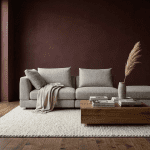
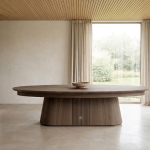
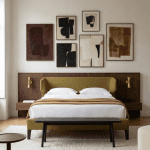
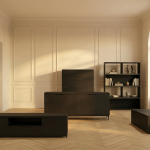
As it grows, natural wood is subjected to varying environmental conditions, including sunshine, soil, nutrition and water conditions, all of which affect the wood. A tree’s age also affects the appearance and texture of the wood it produces. In addition to natural processes, finishing work, like sanding, ironing, coating and other processes, can cause normal color variations in wood. |
|
| Marble patterns, color differences and natural defects |
Natural marble has different patterns and colors which are influenced by mining locations and mineral vein directions. It is normal for natural marble to have natural defects, such as shading, water lines, crystal deposits, superficial holes and pits, etc. |
|
| Ceramic patterns and color differences |
Ceramic imitates the natural marble texture so it is normal for patterns and colors to vary by batch. |
|
| Odor |
While natural wood has its own odor, the use of coating and adhesives during production, as well as the packaging and transportation processes, can also contribute residual odors.
The odor of the wood, paint and adhesive used in Camerich’s products meet the requirements of relevant standards. |
For new wooden furniture, it is recommended to leave cabinet doors and drawers open, keep windows open, and place green plants or activated carbon nearby to reduce odors. |
| Drawer does not operate smoothly |
Usually due to incorrect installation. |
Adjust the mounting holes of the left and right rails on the side panels so that they are parallel to each other. |
| Cabinet door does not close properly |
Usually due to incorrect installation or uneven surface. |
Ensure that the product is placed on a flat surface and adjust the tightness and position of the screws. |
| Assembled product wobbles |
Usually due to incorrect installation or uneven surface. |
Check to ensure the connectors and tenons are installed correctly and firmly, and adjust leg pads to level the furniture. |